What does it take for new technology to be truly adopted and used by a community? To explore this question, we implemented five technology pilots across coastal communities in Baja California Sur. Each pilot addressed a different need, but all were centered on climate resilience and/or sustainable fisheries.
The experience left us with a clear lesson: innovation does not depend solely on sensors, applications, or platforms. It also depends on trust, adaptation to local contexts, and the practical value of information for people making daily decisions in fisheries, aquaculture operations, and coastal communities.
The pilots were led by Environmental Defense Fund (EDF Mexico) in collaboration with the Autonomous University of Baja California Sur, with support from Builders Vision Philanthropy, Schmidt Marine Technology Partners, and Innovaciones Alumbra.
Project Background
The pilots began in 2024 and were designed using a participatory approach that involved technology users from the outset. The central question guiding all pilots was simple yet essential: How can data be transformed into useful information for people making day-to-day decisions in fisheries and aquaculture?
The pilots addressed complementary needs across different regions of Baja California Sur:
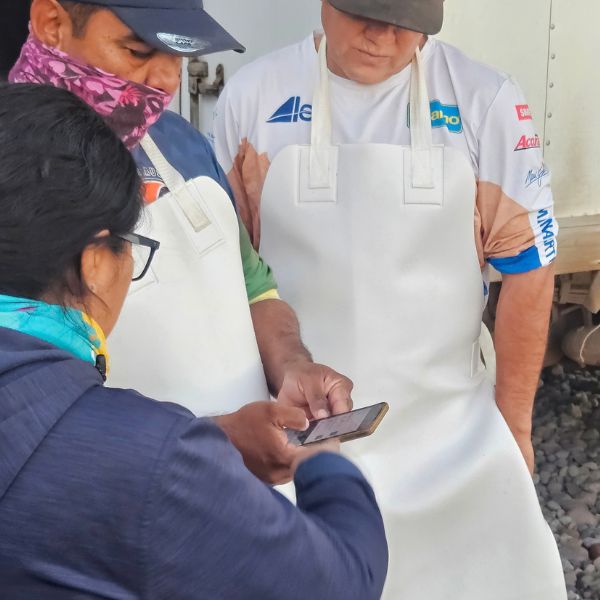
- Fisheries traceability and data management to improve tracking of fishing activities and operational information in cooperatives in Agua Verde, San Bruno, and Santa Rosalía.
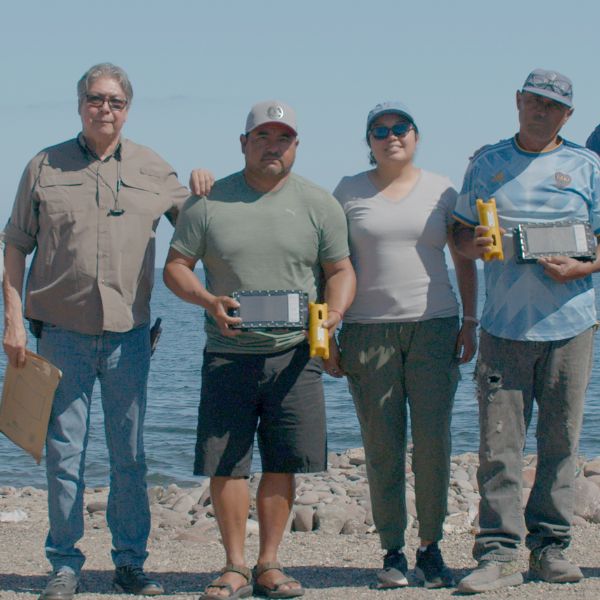
- Early warning systems and environmental monitoring in Bahía Magdalena, Adolfo López Mateos, and Bahía de La Paz.
- Environmental monitoring, electronic logbooks, and data analysis in fishing and aquaculture operations in Santa Rosalía and Bahía de La Paz.
- Automated vessel monitoring at Islote San Rafaelito and along the navigation channel within the Balandra Flora and Fauna Protection Area (APFF).
The blog Technological Innovation to Strengthen Sustainable Fisheries in Baja California Sur provides detailed information about each technology, the partnerships that supported implementation, and the original objectives of the pilots.
Today, we focus on sharing the key lessons learned during implementation. Together, these lessons lead to an important conclusion: implementing technology involves much more than installing equipment. It requires building capacity and strengthening community participation.
A comprehensive analysis, including challenges, results, and opportunities for future investment, is available in the white paper Scaling Innovation and Technologies for Fisheries, Aquaculture, and Coastal Conservation in Baja California Sur.
Key Lessons
1. Innovation Begins with Building Trust
Innovation does not start with an app or a sensor. It starts with the people willing to test a new tool and integrate it into their daily activities.
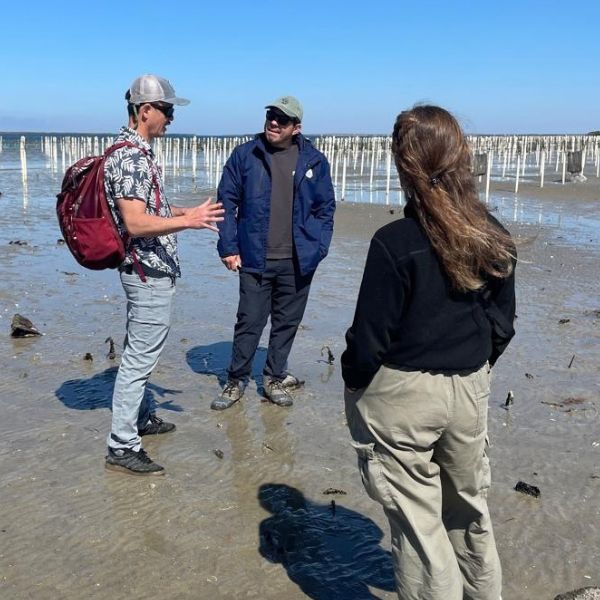
Throughout the pilots, trust, local leadership, training, and ongoing support proved just as important as the performance of the devices themselves. Adoption was stronger when participants understood the problem each technology was designed to address, how they could benefit from the information generated, and what safeguards existed to protect and manage their data.
Solutions that collected sensitive information, such as fishing locations or production data, raised concerns when they were perceived as mechanisms for surveillance or control. These concerns could not be minimized. Instead, they needed to be acknowledged and addressed through transparent communication, clear agreements, and the involvement of trusted local actors.
Technical sophistication alone does not guarantee adoption. A tool may be innovative, but its value ultimately depends on whether people trust it, understand the information it generates, and can incorporate it into their decision-making.
2. Adapting Technology to Local Contexts Is Essential
Implementing new technologies in coastal communities also meant adapting to circumstances that are difficult to anticipate from a desk.
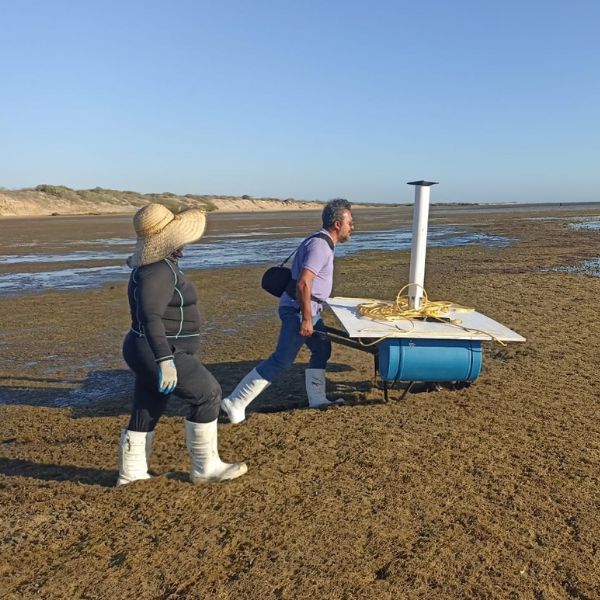
The pilots encountered delays in import processes, limited connectivity, and equipment exposure to heat, solar radiation, and salinity, as well as varying levels of familiarity with applications, platforms, and data visualization tools.
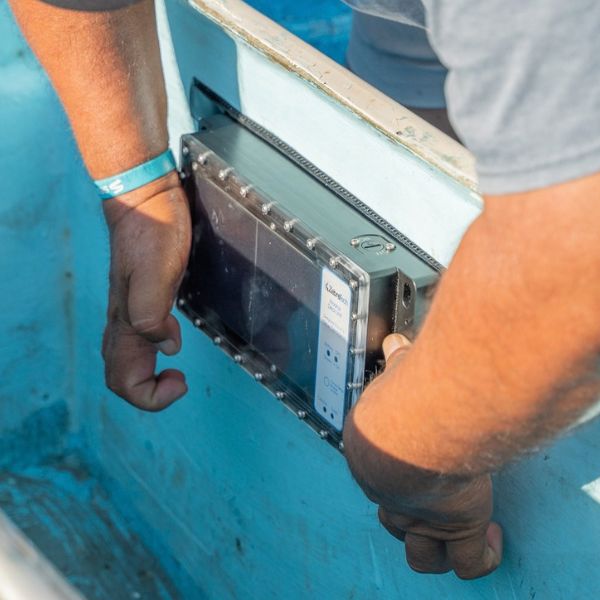
These challenges required adjustments to implementation timelines, training processes, and installation methods. In some cases, users themselves proposed practical solutions for installing devices without modifying their vessels or adapting sensors to the specific conditions of their production systems.
The implementation experience confirmed that adaptation is not a secondary activity but a central component of any innovation process. Technologies developed in other contexts must be tailored to the environmental, social, economic, and digital realities of each community.
3. Useful Data Leads to Better Decisions
The technologies deployed through the pilots generated information on environmental conditions, fishing activities, traceability, and coastal monitoring. However, the most important lesson was not the amount of information collected but the conditions required for people to effectively use it.
The experience showed that data creates value when it is accessible, understandable, and aligned with real needs. Otherwise, even the most accurate information may go unused.
The next challenge is therefore not simply to install more devices or collect more data. It is to strengthen communities’ ability to interpret information, incorporate it into decision-making processes, and translate it into tangible benefits for both productive activities and conservation efforts.
4. Scale Capacity, Not Just Devices
One of the project’s most important findings is that scaling innovation does not mean replicating pilots exactly as they were implemented elsewhere or distributing a larger number of devices.
For technology to remain useful and generate long-term value, investment is needed in the conditions that support its use: digital skills, technical assistance, connectivity, maintenance, data governance, and collaboration among communities, academia, civil society organizations, government agencies, technology developers, and funders.
It is also important to recognize that not every technology should be scaled in the same way across all regions. Decisions about continuation or expansion should consider the problem being addressed, demonstrated usefulness, the capacities of the user organization, and the technical and financial feasibility of maintaining the solution over time.
The pilots also revealed an important opportunity to engage younger generations. Digital tools can create pathways for youth within coastal communities to participate as data managers, technology facilitators, traceability specialists, or liaisons with digital markets.
What Comes Next?
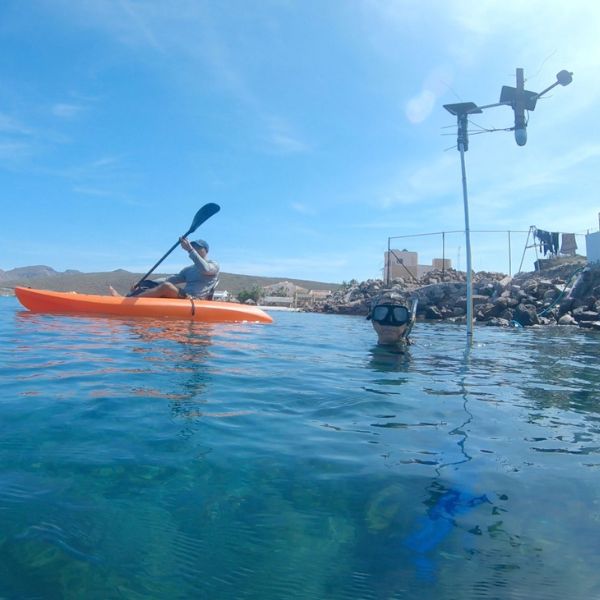
Although the implementation phase has concluded, the pilots are continuing through an operational phase focused on data collection, analysis, and documentation of user experiences. During this period, each community will continue using the technologies, allowing additional lessons to emerge and helping guide decisions about whether each solution should be continued, adapted, expanded, or phased out.
The question is no longer whether technology can contribute to small-scale fisheries and aquaculture. The experience in Baja California Sur demonstrates that it can, when implementation is carried out with communities, adapted to local conditions, and designed to address real needs.
The next step is to turn these experiences and insights into decisions that help sustain, adapt, and scale innovation where it can generate the greatest value for coastal communities.
To learn more about the project, read the white paper: Scaling Innovation and Technologies for Fisheries, Aquaculture, and Coastal Conservation in Baja California Sur.
